
NCIS’ Elevator Became an Unofficial Stage for Gibbs and the Team

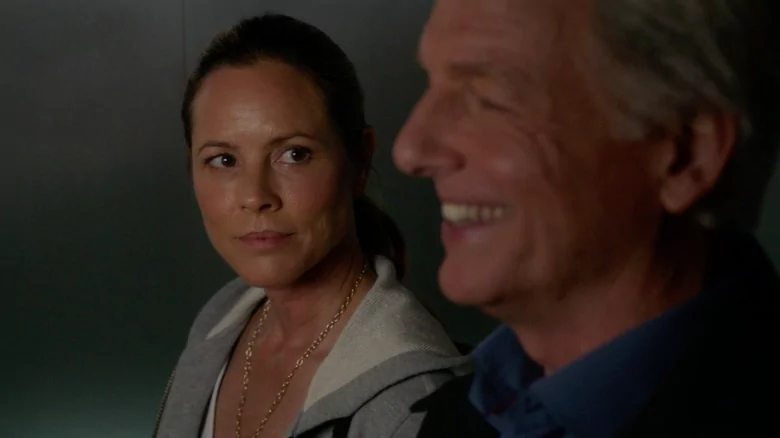
We talk often about the bull pen, the stacked desks, the cold roar of the printing press. That’s where the work happens. But the true architecture of our emotional lives, the place where the professional façade crumbled, was always the lift. It was just a cold metal box, designed to ferry federal employees up and down the spine of the building. Yet, it became the most dangerous, most telling twenty square feet in the entire facility.
In the beginning, riding up with Gibbs was an exercise in pure survival. The air thickened instantly, the seconds stretching into geologic time. Every millimeter of the ascent was accompanied by a silent, desperate prayer: *Don't look up. Don't speak. Just get out.* That early silence wasn't respect; it was sheer, anticipatory dread.
The lift was where the contract was first signed, often with a quick, dull thud. The first head slap felt less like punishment and more like a baptism. It was a physical language, a brutal shorthand for *Pay attention, idiot.* When the sting faded, and the shared, surprised laughter broke the tension, you knew you had been accepted into the inner circle. The steel walls held that sound, sealing the pact.
An inanimate object cannot gasp, but if the hoisting cables could rattle in astonishment, they would have the day the slap went in the other direction. Calling out the old alpha in his own domain wasn't disrespectful; it was earned. He met the shock with a slow, almost imperceptible turn of the lip, a private admission that the student had finally grown teeth.
The steel box also served as the place for the quietest forms of surrender. After a case had bled the life out of us, when the boundary between investigator and victim blurred, that small space became a necessary sanctuary.
Trying to hide the ragged edges of grief as the door pinged open was useless. He just saw it. The swift closure of the doors, the abrupt halt between floors, meant no words needed to be wasted on explanation or clumsy comfort. Just the weight of his arm, the solid presence of his shoulder, holding you together until the shaking stopped.
But the silence was often shredded by friction. Two people built of equally sharp edges, fire meeting ice, meant inevitable explosions. The lift bore witness to the furious, low-voiced exchanges that ended with one of us storming out, leaving the other to kick impotently at the scarred metal floor plates.
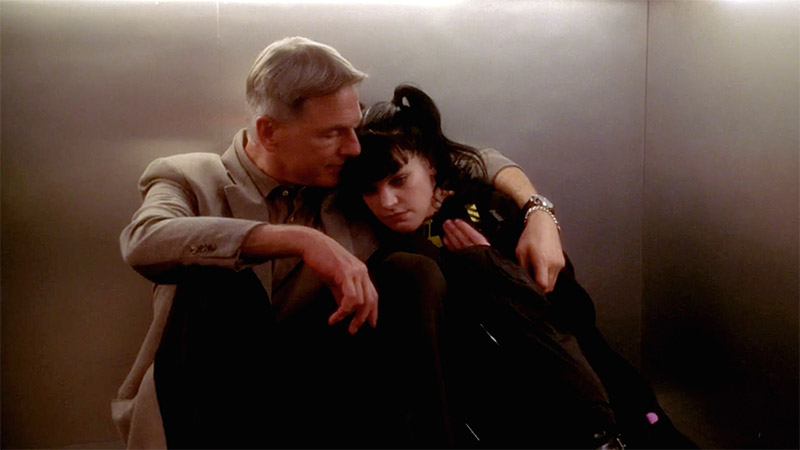
The proximity, however, forced a resolution. You couldn't nurse a grudge for twenty vertical floors. So one of you would always cave, finding the other riding alone, needing to press the restart button. An apology that didn't require much speaking, just a warm embrace to reset the emotional compass.
Then came the morning the apology went further. Gibbs, notoriously clumsy with necessary articulation, simply cornered you against the polished steel and replaced the words with action.
The first kiss was a shock of heat, dizzying, consuming the remaining air. It wasn't gentle; it was hungry. The lift, suddenly the most private room in the entire world, became the perfect venue for stealing moments. The ensuing greed was immediate and unashamed.
A quick trip to Evidence was suddenly a detour into pure, illicit desire. The stakes escalated inevitably. The need for quiet, absolute privacy, tucked inside the heart of a federal building, is a potent thing.
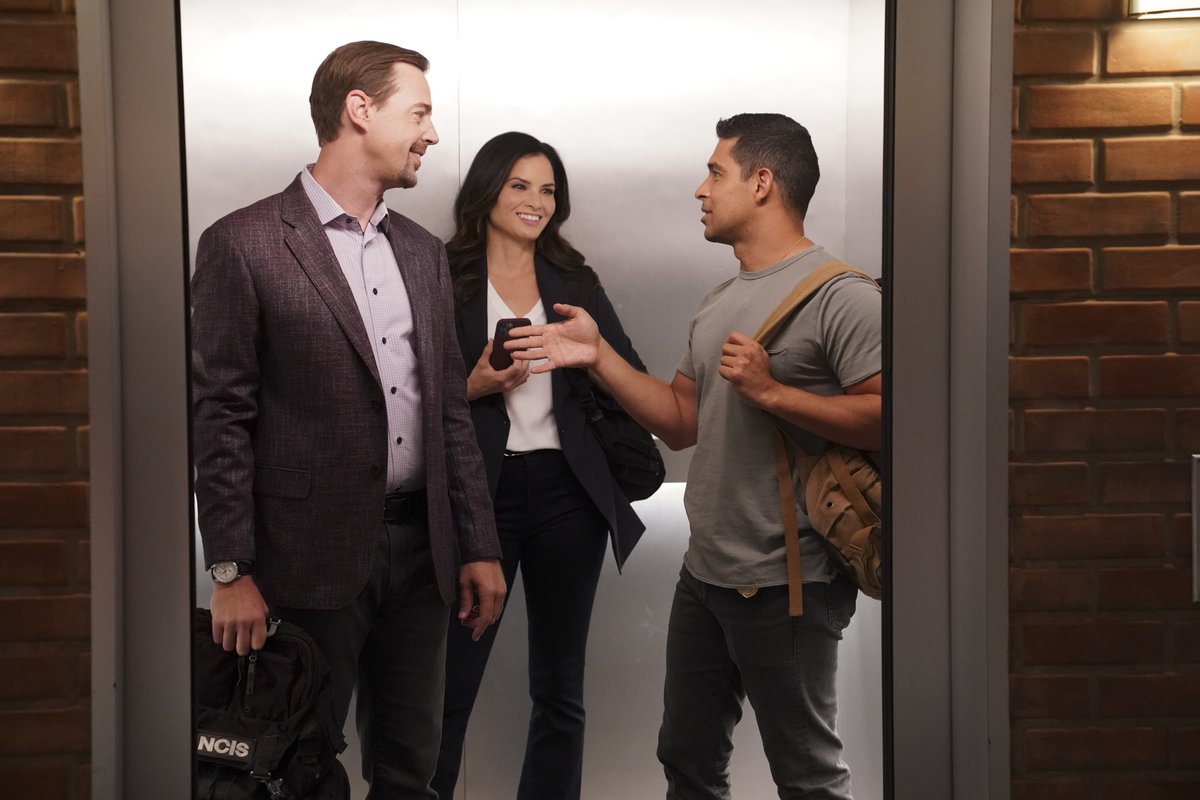
That small, enclosed space, designed for practical movement, eventually tested the limits of stillness, and the very strength of the steel cables themselves. It became the stage for a desperate, raw rebellion against the structured, observed world outside.
The bull pen saw the procedural work. The lab saw the evidence. But the lift—that narrow, vertical passage—saw the truth. It measured not the floors we passed, but the degrees of closeness we achieved. It was our secret theater, the silent, polished steel mirroring the volatile, beautiful reality of everything we tried so hard to keep hidden.
Leave a Reply