
Dark Secrets The Cast Of NCIS Tried To Hide

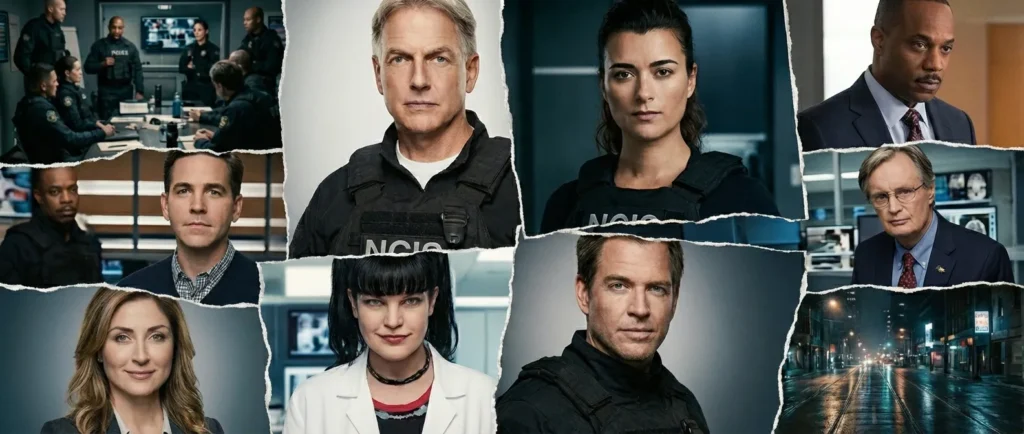
For years, CBS sold NCIS as a family. The cast dinners. The interviews about chemistry. The language of loyalty.
But long-running television isn’t built on sentiment. It’s built on contracts, power, and leverage. And if you look at the public record, the “family” label starts to look more like branding than reality.
Let’s start with the most visible fracture: NCIS and the fallout between Mark Harmon and Pauley Perrette.
In 2016, Harmon brought his dog to set. The dog bit a crew member. Reports later described tension over whether the dog should continue being present. By 2018, Perrette left the series and posted on social media about “multiple physical assaults” and fear in the workplace. She never named Harmon directly in those tweets, but the timing and reporting made the conflict impossible to ignore. By the end of her run, the two were reportedly filming scenes separately.
That doesn’t look like a family disagreement. It looks like a workplace fracture that never healed.
Then there’s Michael Weatherly. While still closely associated with the franchise, he became the subject of a sexual harassment complaint from actress Eliza Dushku related to his series Bull. CBS ultimately paid a reported $9.5 million settlement. Weatherly later acknowledged that some of his remarks were inappropriate and apologized publicly.
The network moved forward. But the settlement complicated the easy image of the lovable, harmless prankster persona that had defined Tony DiNozzo for years.
And before either of those controversies, there was Cote de Pablo. When she exited at the height of her popularity, she cited concerns about the direction of her character, Ziva David. In later interviews, she described the situation as political and said she did not feel the character was being treated with sufficient care. Walking away from a high-paying role in a top-rated series is not a casual decision.
Even the show’s original creator, Donald P. Bellisario, departed early in the run after reported clashes with Harmon over management style and production demands.
None of this is unusual in television. Long-running shows are pressure cookers. Egos grow. Fatigue sets in. Power consolidates. Disputes happen.
But the idea that a 20-plus season procedural remains a frictionless family unit defies the basic physics of Hollywood production.
On screen, NCIS sold loyalty, ritual, and moral clarity. Off screen, like most major productions, it operated within the realities of status, hierarchy, and corporate decision-making.
That doesn’t make the show fraudulent. It makes it human.
The “family” was real in the way television families always are — constructed, maintained, and sometimes strained by the same forces that keep the cameras rolling.
And the longer a series runs, the harder that myth becomes to sustain.
-
Jeanette says:
Didn't get to see any dark secrets on NCIS
Leave a Reply to Jeanette Cancel reply
been watching Mark Harmon since he was on St Elsewhere--great actor