
The Untold Truth Of NCIS: What the Show’s Longevity Actually Cost

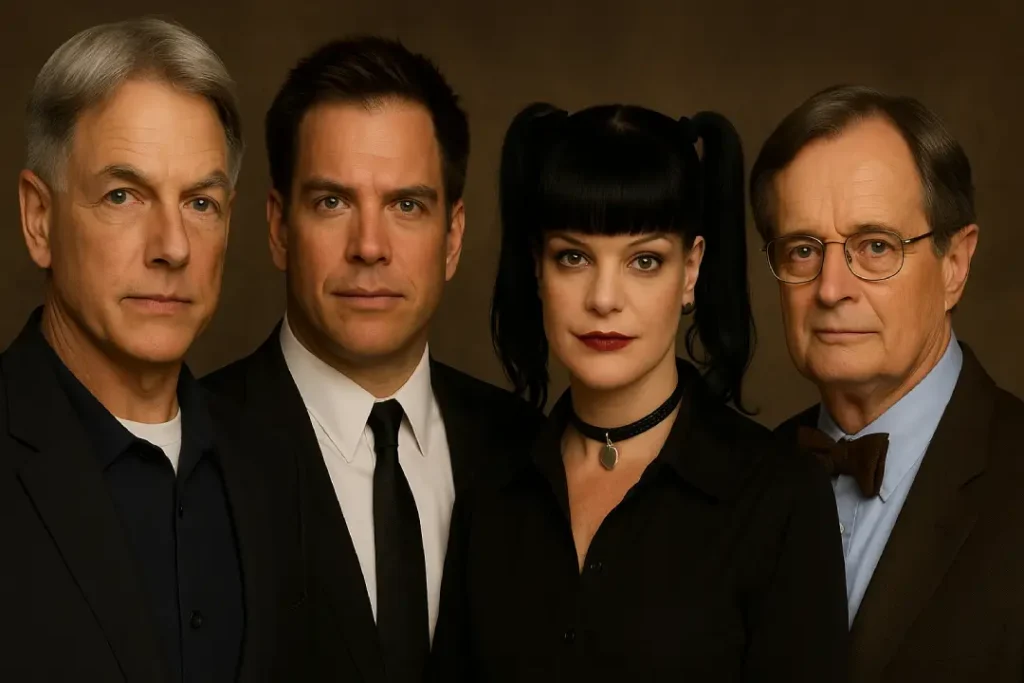
From the outside, NCIS looks simple. A case opens, Gibbs walks into the bullpen, Tony makes a joke, Abby finds something in the lab, and Ducky gives the body a backstory. By the end of the hour, the team usually has its answer. Fans have watched that same reliable rhythm play out for more than two decades.
But the show’s history tells a different story. NCIS did not start as a hit. It was a spinoff with an awkward name that slowly built itself into a franchise, all while surviving the kind of behind-the-scenes chaos that usually kills a show fast. Power struggles, workplace controversy, ugly departures. The real story of NCIS is not some feel-good family tale. It is about how a TV show kept itself running.
The Awkward Beginning
It is easy to forget now, but the show had a rough start. It launched as a JAG spinoff in 2003, and even the title was a mistake. CBS called it Navy NCIS, which was redundant since the “N” in NCIS already stands for Naval. The name was eventually shortened, and the show got better over time. What began as a clunky procedural with an identity problem turned into one of the biggest franchises in TV history.
The Great Standoff
The show’s biggest moment was not a plot twist. It was a power struggle behind the scenes.
In 2007, NCIS creator Donald P. Bellisario left the series after reported conflict with Mark Harmon. TV Guide reported that Harmon had grown unhappy with Bellisario’s chaotic management style, and the tension had gotten bad enough to put the show’s future at risk.
CBS had to pick a side. Bellisario had built the world, but Harmon was the face of it. The network chose the star, and Bellisario was out.
That decision changed everything. Harmon went from actor to having a hand in running the whole show. NCIS kept going, just without the man who started it.
The Spinoff Wars
Once NCIS became a hit, CBS pushed hard to build on it. NCIS: Los Angeles launched in 2009, but even that came with drama. Bellisario sued CBS over the spinoff, claiming his contract gave him a cut of any franchise expansion. The case was settled, but it showed how messy things had gotten behind the scenes.
Not every spinoff made it. NCIS: Red was set up as a gritty mobile-team show starring John Corbett, but CBS ultimately passed. Even a strong brand does not guarantee everything works. NCIS: New Orleans had a good seven-season run, while NCIS: Hawaiʻi was canceled in 2024 after three seasons, with cost and scheduling issues reportedly part of the decision. Through all of it, the original show kept running.
The Changing Cast
On most dramas, losing a core cast member is a crisis. NCIS turned it into a routine.
When Sasha Alexander left after Season 2, it was a shock. When Cote de Pablo walked away, fans were devastated. When Michael Weatherly left, it ended one of the show’s longest-running partnerships. Then Mark Harmon, the man who held the whole show together, stepped back in 2021.
Most shows would have stopped. NCIS just took the loss. New people filled the office, the desks got claimed, and the rules stayed in place. The audience did not stick around for the characters alone. They stayed for the place itself.
Pauley Perrette’s Difficult Exit
The show’s reputation took a hit during Pauley Perrette’s final years. Perrette played fan-favorite Abby Sciuto for 15 seasons before leaving in 2018, reportedly after tension with Harmon. The situation was tied to an incident in which Harmon’s dog bit a crew member. Perrette later spoke publicly about concerns with the work environment, while CBS said it had taken the matter seriously.
For a show that always felt like family-friendly TV, it was a sharp reminder that things can look fine on screen while being far more complicated behind the scenes.
The Real Cost Of Longevity
How did a show with this much behind-the-scenes chaos turn into one of TV’s most reliable hits? The answer is not flashy, but it explains a lot: NCIS did not try to be cool. It did not chase awards, trends, or prestige. It did not try to out-drama every other show on television. It tried to be something people would watch again.
The little things helped. Abby’s Caf-Pow, Gibbs’ woodworking, the rules, the elevator pauses, the personal ties behind the camera — like Sean Murray being Bellisario’s stepson. Those details made NCIS feel lived in, not manufactured.
NCIS got through a messy name, lawsuits over creative credit, cast shake-ups, and very public falling-outs. It outlasted trends that took down other shows from the same era. And yet, after more than two decades, the case board is still up, the elevator doors are still closing, and the team is still working the evidence.
In an industry that throws almost everything away, NCIS became something television rarely produces anymore: a place people keep coming back to.
-
Floriana Phillips says:
Would love to see Ziva back & possibly along the lines of keeping her family (Tony + their daughter) safe somewhere in France.
Leave a Reply to Gerald Wolf Cancel reply
I love Ziva however let DiNozzo go back to Bull hated that show and him!!